
Self-Drilling Screws
JOPAL self-drilling screws are engineered for direct fastening in steel, metal roofing, wall cladding, sandwich and composite panels, profiled sheets, steel decking, purlins, overlaps, side laps and flashings. Selection depends on the complete connection build-up, base material and steel thickness, drilling capacity, drill-point geometry, fastener length, clamping range, thread and support-thread configuration, washer and EPDM sealing requirement, corrosion exposure and required technical documentation. The JOPAL range includes carbon-steel, bi-metal and stainless-steel self-drilling fasteners for light-gauge and heavier steel applications, weather-sealed building-envelope connections and general metal-to-metal construction. Explore the relevant product systems and application guidance, or contact JOPAL for technical selection and UAE project supply.
Products connected to this application.
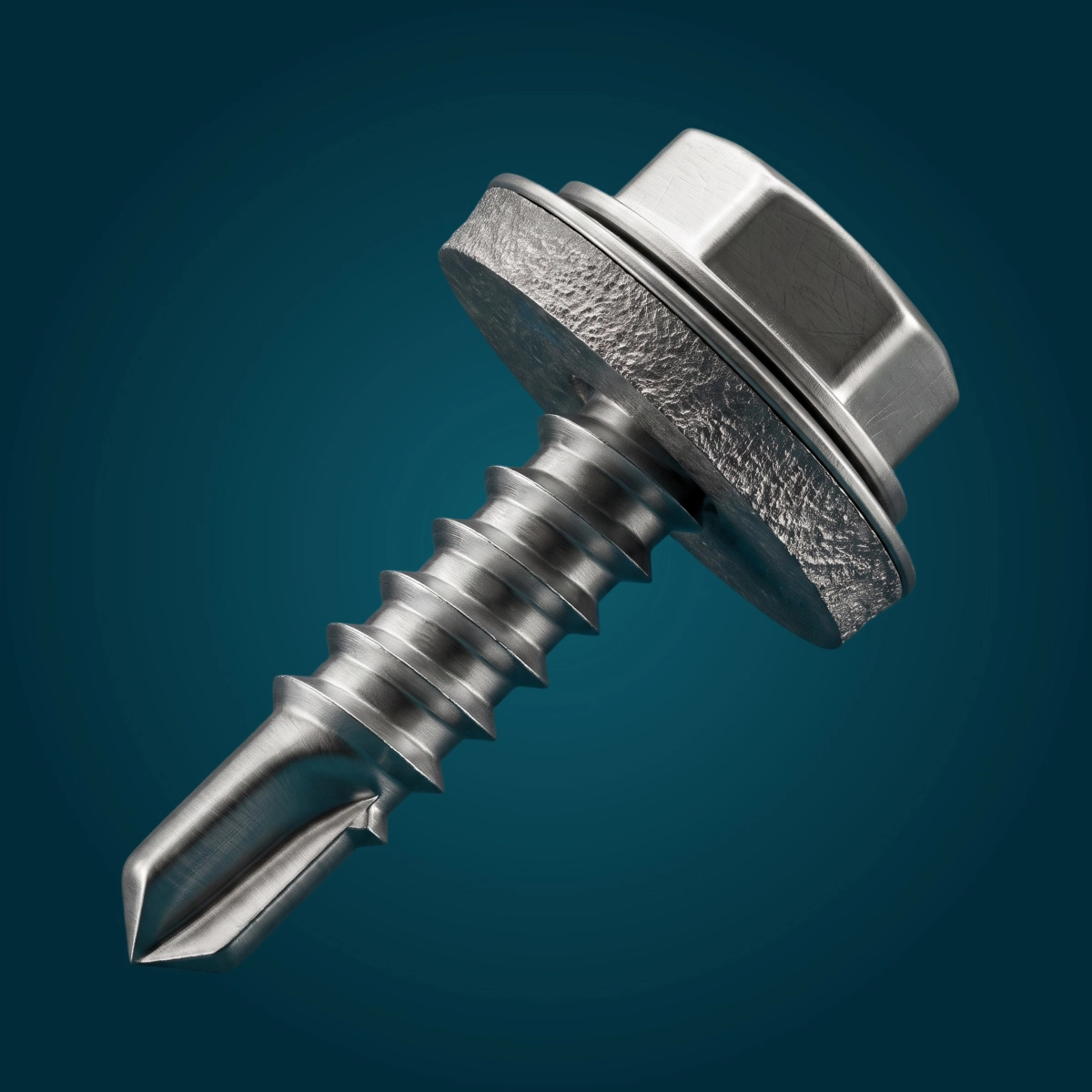 BIFIX-CS-48-1PBIFIX® 4.8XL 1P EcoZinView technical product
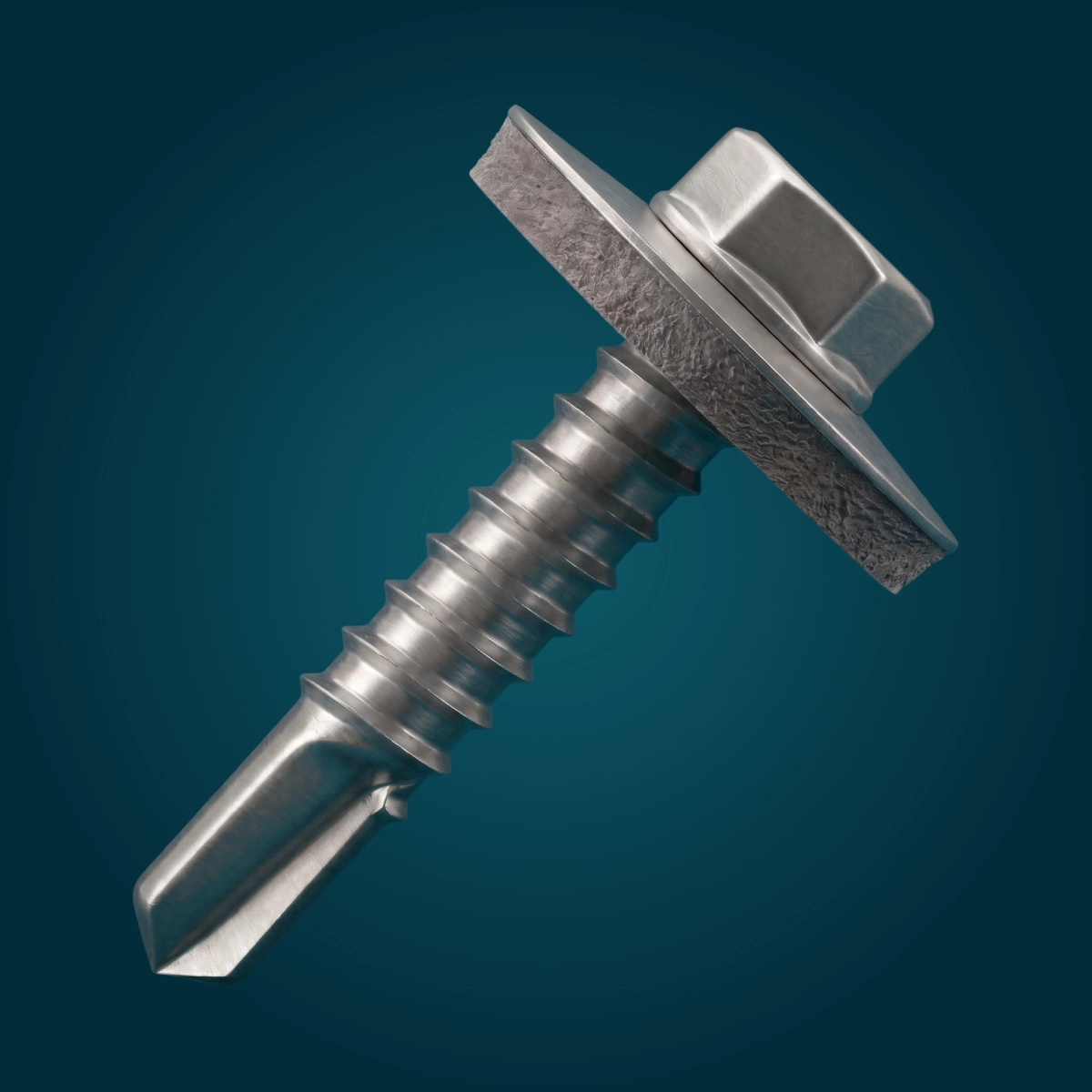 BIFIX-CS-55-63-3PBIFIX® 5.5XL & 6.3XL 3P EcoZinView technical product
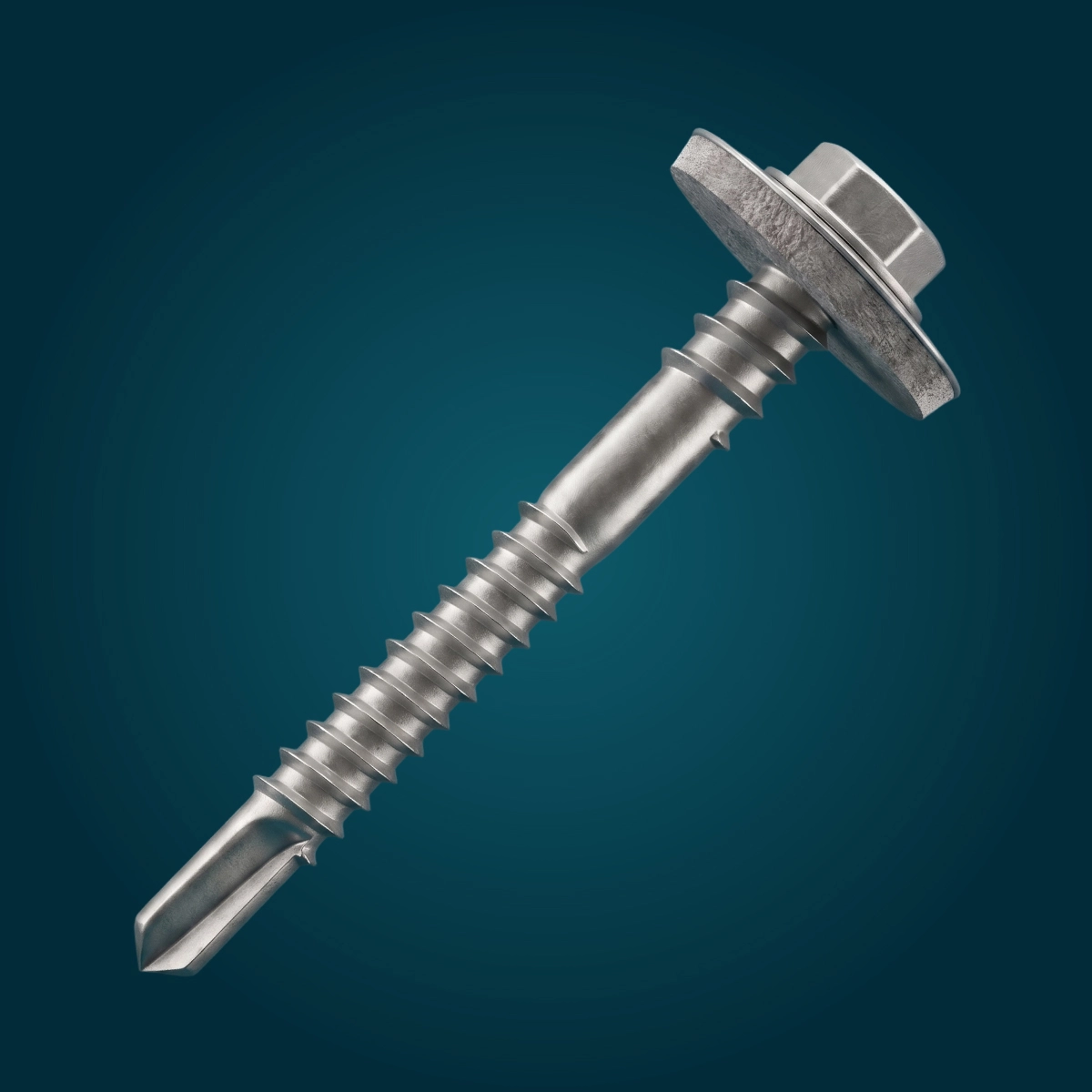 BIFIX-CS-HT-3PBIFIX® 5.5XL & 6.3XL High Thread 3P EcoZinView technical product
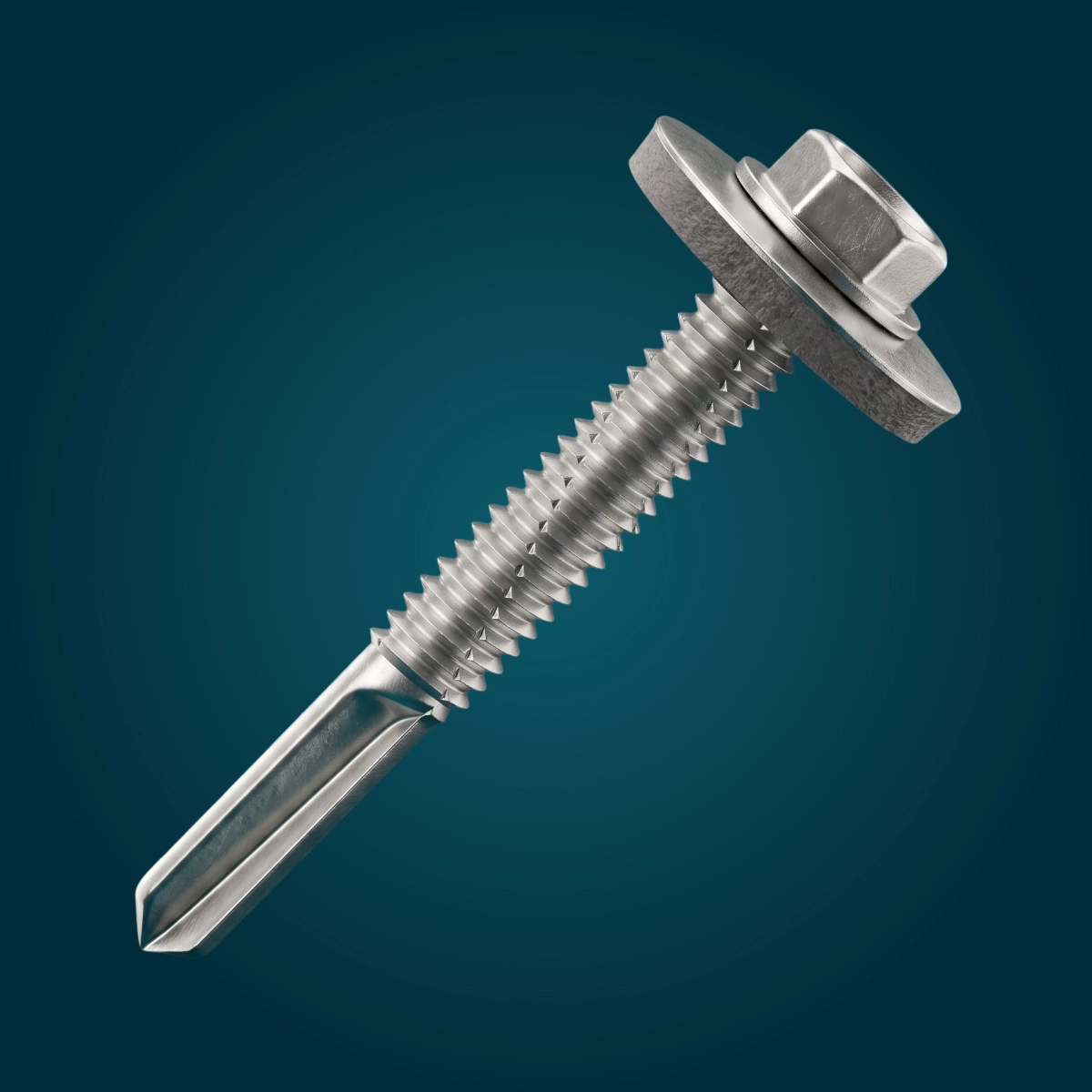 BIFIX-CS-55-5PBIFIX® 5.5XL 5P EcoZinView technical product
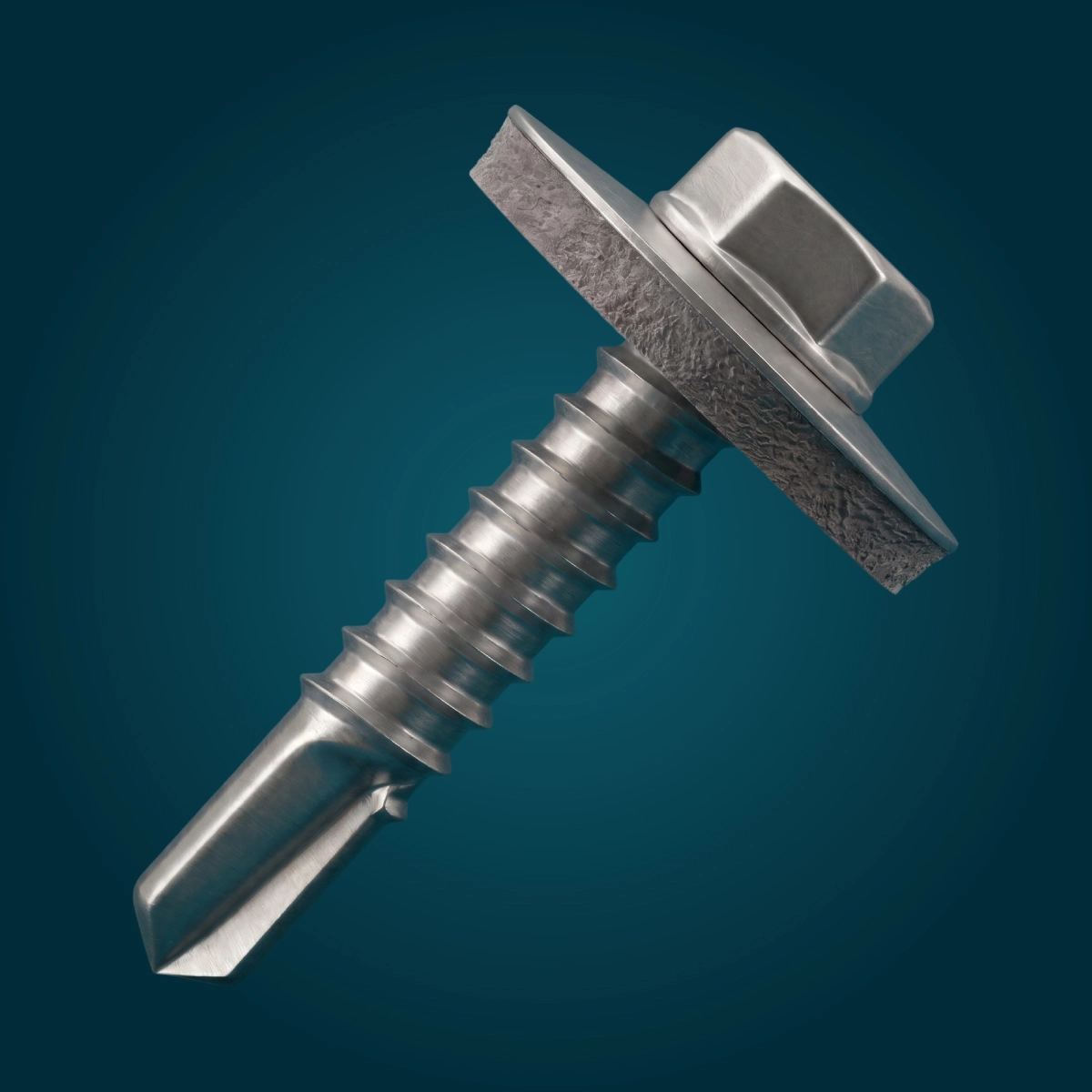 BIFIX-BM-55-63-3PBIFIX® Bi-Metal Stainless Steel 304 5.5XL & 6.3XL 3P UltraZinView technical product
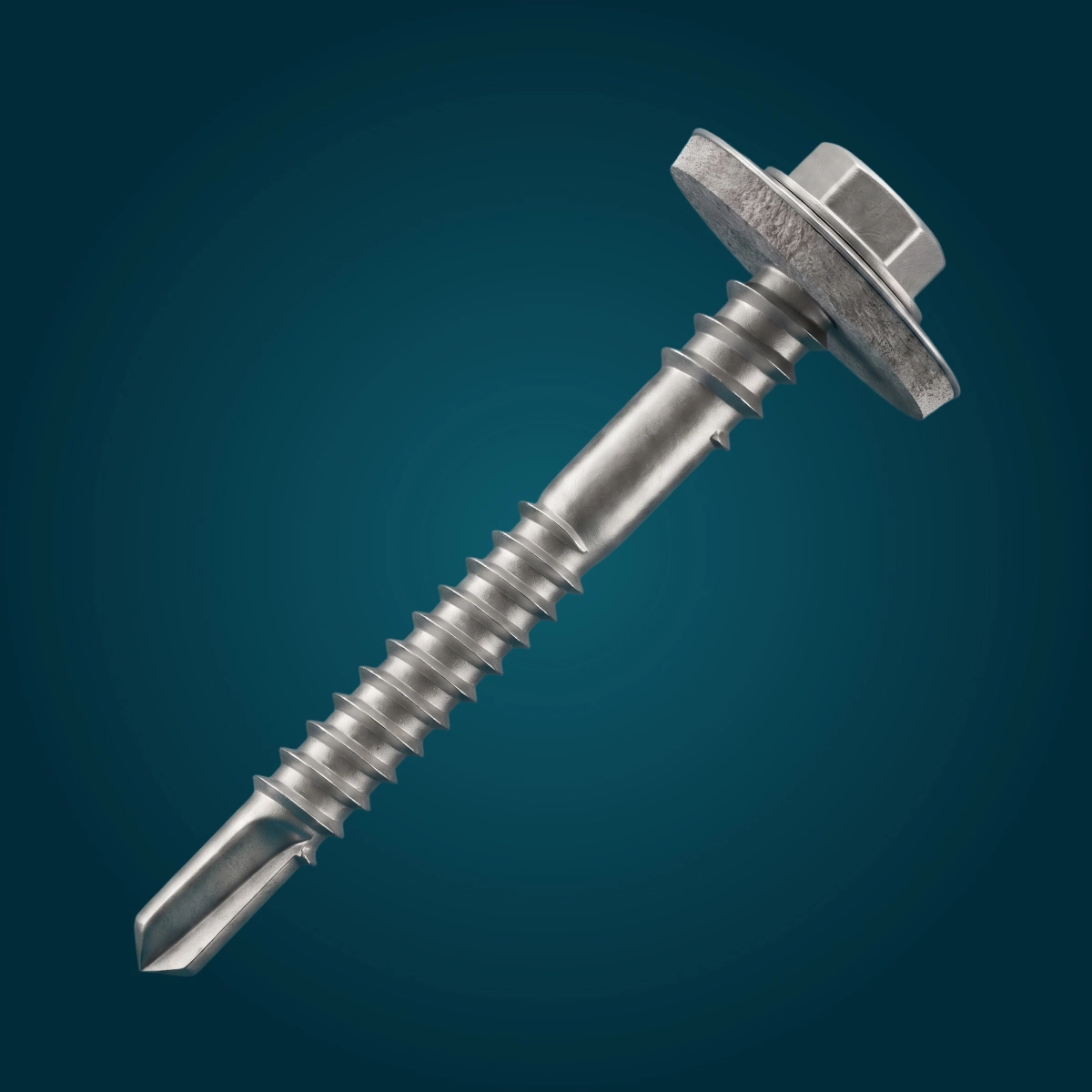 BIFIX-BM-HT-3PBIFIX® Bi-Metal Stainless Steel 304 5.5XL & 6.3XL High Thread 3P UltraZinView technical product
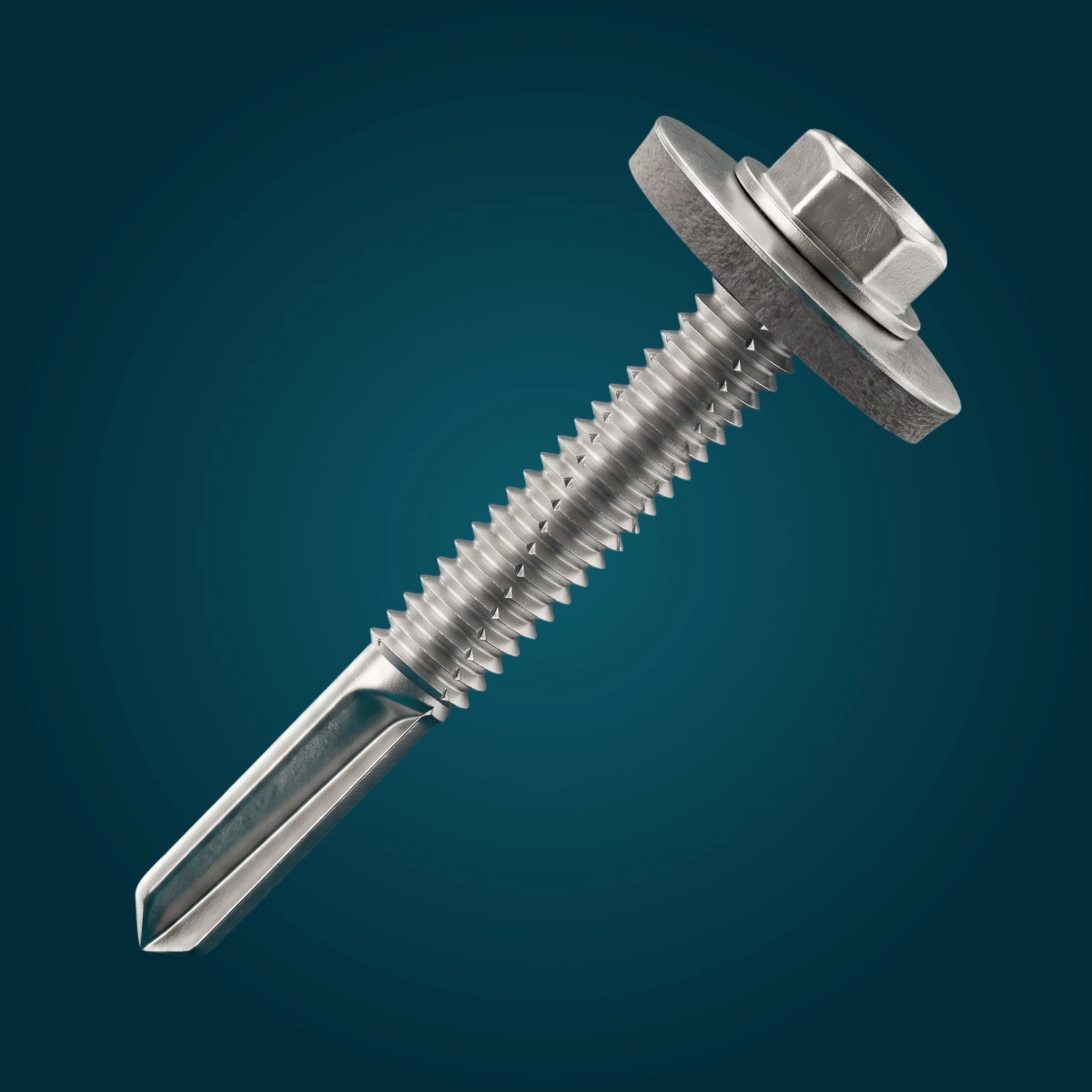 BIFIX-BM-55-5PBIFIX® Bi-Metal Stainless Steel 304 5.5XL 5P UltraZinView technical product
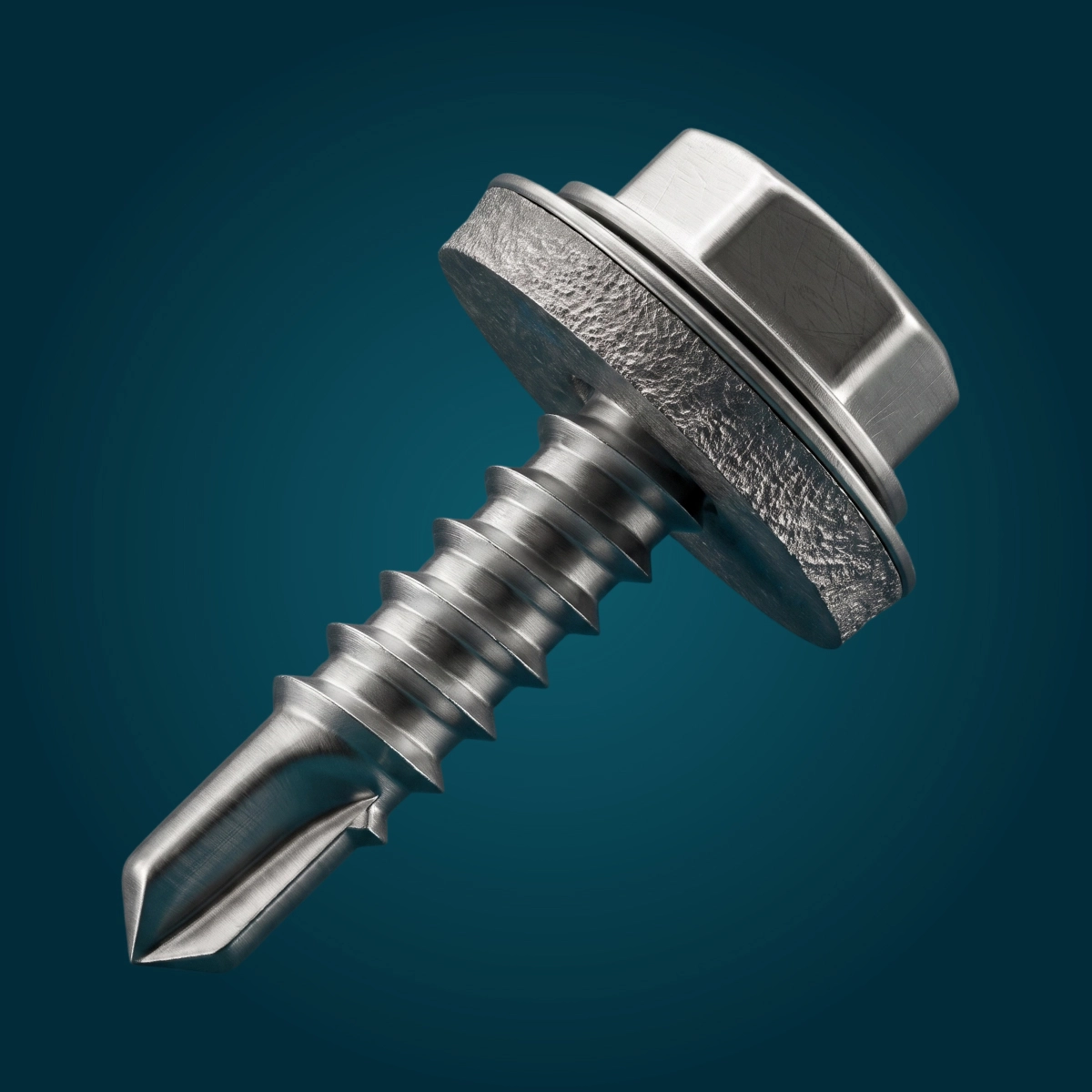 BIFIX-SS304-48-1PBIFIX® SS304 4.8XL 1PView technical product
What matters for this connection.
Fastener selection
Match the drill point to the total steel drilling thickness, then confirm screw length, thread engagement, head style and washer configuration for the connection.
Installation control
Use the correct driver and installation speed, keep the fastener perpendicular to the work and avoid over-driving. The drill point must complete drilling before the thread is expected to form and clamp the connection.
Connection checks
Check substrate thickness, connected-material build-up, required clamping range, environmental exposure and the documented capacities of the selected product.
Technical guidance for this application.
Use these engineering resources for the principles behind selection, installation and connection behaviour. Product suitability remains governed by the documented JOPAL product data.
Common questions for this application.
How is the drilling capacity of a self-drilling screw selected?
The drill point must be suitable for the steel thickness it has to penetrate. Check the product drilling-capacity range against the actual supporting steel before selecting the screw.
Is a longer self-drilling screw automatically suitable for thicker steel?
No. Screw length controls the connection build-up and engagement, while drilling capacity is governed by the drill-point design. Both requirements must be checked separately.
What should be checked after installation?
Confirm correct seating, adequate thread engagement and clamping, and that any sealing washer is compressed correctly without being crushed or displaced.